
The better artificial intelligence becomes, the more valuable the things it cannot credibly replace become: genuine attention, human judgement and the feeling of being seen as a person.
Technology makes many things faster, more precise and more convenient. It answers questions, analyses data, prepares proposals and supports customers around the clock. That is real progress. Yet it also creates a paradox: the more automated our touchpoints become, the less often we experience an encounter that feels truly personal.
This is precisely where an entrepreneurial opportunity lies. Humanity is not a nostalgic counterweight to digitalisation. It is becoming a mark of quality in which people willingly invest their time, trust and money.
Efficiency is not the same as experience
Many companies optimise processes with one clear objective: less friction. Customers should be able to book, order, pay or receive an answer more quickly. That is sensible. But when every encounter is treated solely as a process step, something essential disappears: the feeling that the service was meant for you.
A digital journey can work perfectly and still feel cold. An automated message can be correct and remain impersonal. And a problem solved efficiently does not automatically create a positive memory. Customer experience is not created merely because nothing went wrong. It is created when people sense that somebody is thinking with them.
For me, hospitality therefore means far more than hotels or restaurants. It is an attitude: observing attentively, anticipating needs, taking responsibility and making another person feel welcome. That attitude matters in almost every industry.
What I observe in the classroom
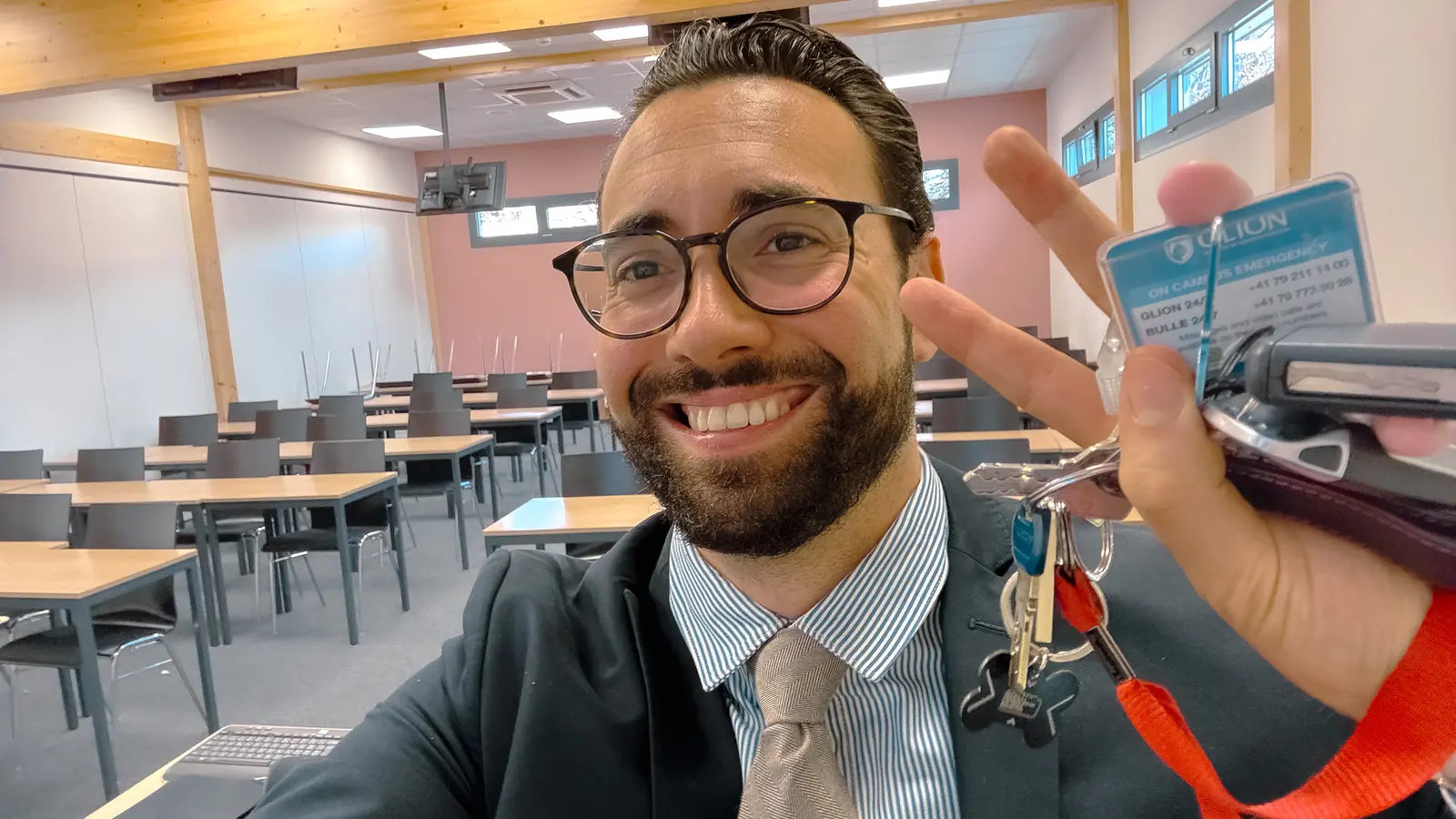
In my teaching at Glion, I work with young people who will take responsibility in a world of technology, brands and global expectations. One lesson stands out: expertise remains important, but curiosity, presence and the ability to build a relationship often make the decisive difference.
Hospitality cannot be reduced to a friendly smile. It requires attention and judgement. What does the person opposite me need right now? What information is missing? When is speed essential, and when is a calm conversation needed? Good hosts do not simply follow a script. They read the situation and act accordingly.
The same applies to entrepreneurs. Anyone who sees customers only as leads, tickets or data points misses the real value of a business relationship. Treating people seriously, by contrast, creates trust. And trust cannot be automated at will.
Relationships are not an inefficient part of business
This is particularly visible in family businesses. Many survive across generations not only because of a good product, but because relationships are cultivated with customers, employees, suppliers and the local community. People know the story behind an enquiry. They understand what is at stake for a family or a company. Decisions have names and faces.
Family businesses can, of course, benefit from better systems and clearer processes. But their strength must not be rationalised away by accident. Personal accessibility, reliability and an understanding of context are not romantic extras. They are often at the heart of the business model.
Companies do not need to become less digital
The answer is not to reject technology. Good technology creates room for better human encounters. When routine work is automated, more time remains for advice, creativity and decisions. When data is used intelligently, companies can communicate more relevantly. When processes are transparent, employees can focus more fully on the person.
The division of roles is what matters. Technology should support service, not keep customers at a distance. It should empower employees, not replace their responsibility. And it should reduce complexity in the background so that the encounter in the foreground becomes simpler and more personal.
Five practical hospitality measures for businesses
1. Define the moments that must remain human
Not every contact requires a personal conversation. But when uncertainty, complaints, important decisions or major investments are involved, people want a responsible contact. Deliberately define where automation ends and personal guidance begins.
2. Give customers a responsible person
Nobody wants to repeat their story at every contact. A clear point of contact creates continuity, knows the context and can take responsibility. Even a direct callback option or a personal closing message can noticeably change the experience.
3. Use data to become more personal, not more distant
Data should help you understand relevant needs. It is not an excuse for standardised mass communication. Remember preferences, avoid unnecessary repetition and address only what truly matters to the person.
4. Give employees room to act
Hospitality rarely emerges from rigid rules. Employees need to be able to make small decisions themselves: offer a pragmatic solution, approve an exception or make an unexpected gesture. They need trust, clarity and a shared understanding of the brand.
5. Measure more than speed
Response time and efficiency are important metrics. Add questions such as: Did the customer feel understood? Was the concern correctly grasped the first time? Would the customer approach the same person again? Quality is measured not only in minutes, but in trust.
The new luxury is knowing it was meant for you
Luxury used to mean exclusivity, scarcity and exceptional materials. In a world shaped by AI and automation, something new is added: undivided attention. A person who listens. An answer that understands the context. An encounter that is not treated like the next transaction.
Companies that design this quality consistently will not succeed despite technology, but with it. They use systems for efficiency and people for meaning. This is a form of hospitality that extends far beyond any one industry.
If you would like to make your company more efficient without losing closeness, trust and personal quality, I would be delighted to start a conversation.